Research the outliers.
Generate the thumbnail.
Edit the rest.

Search your niche for videos that beat their own channel's baseline. Press Create Similar on one and its thumbnail lands in the generator as your reference, with the video's title attached. Built for YouTube creators between 1K and 200K subscribers.
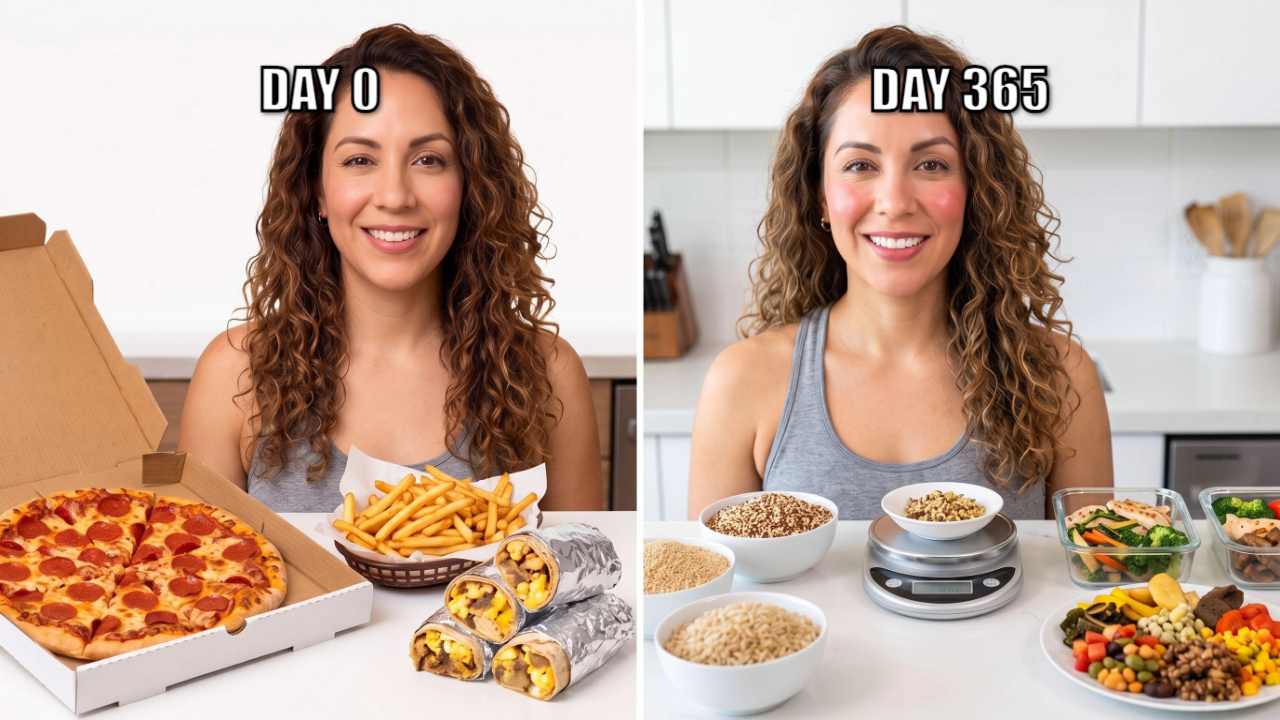
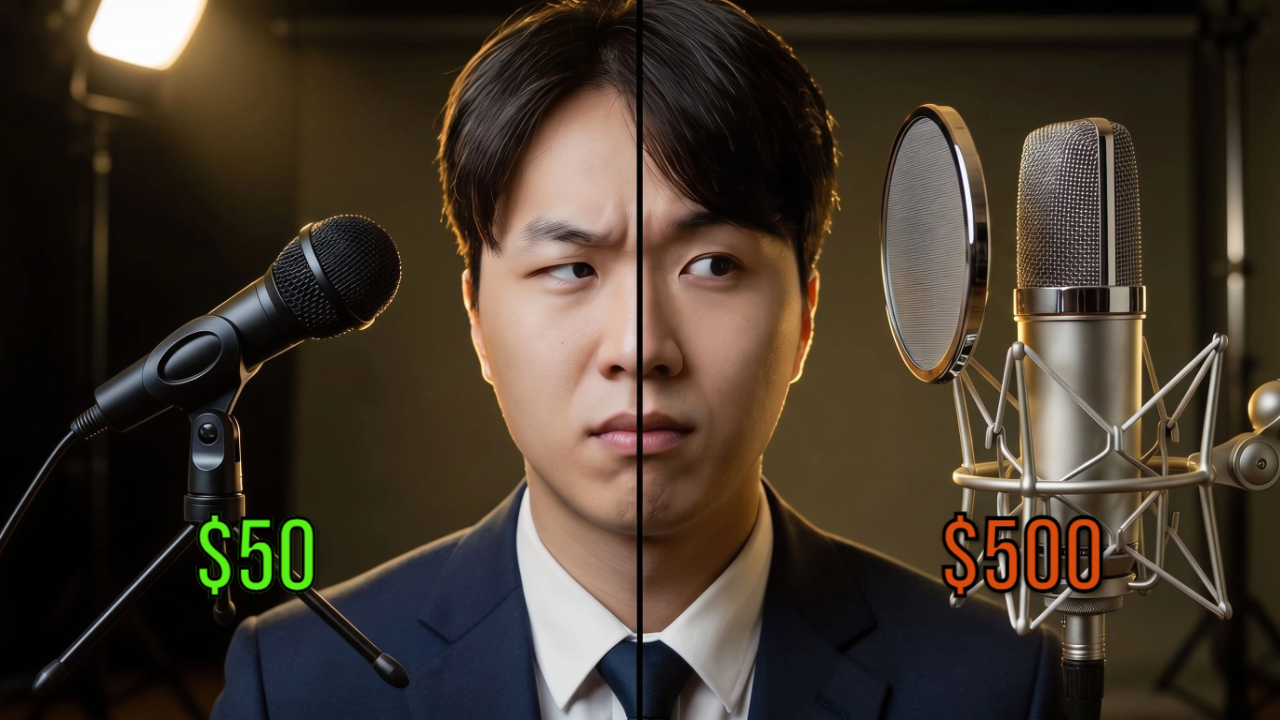
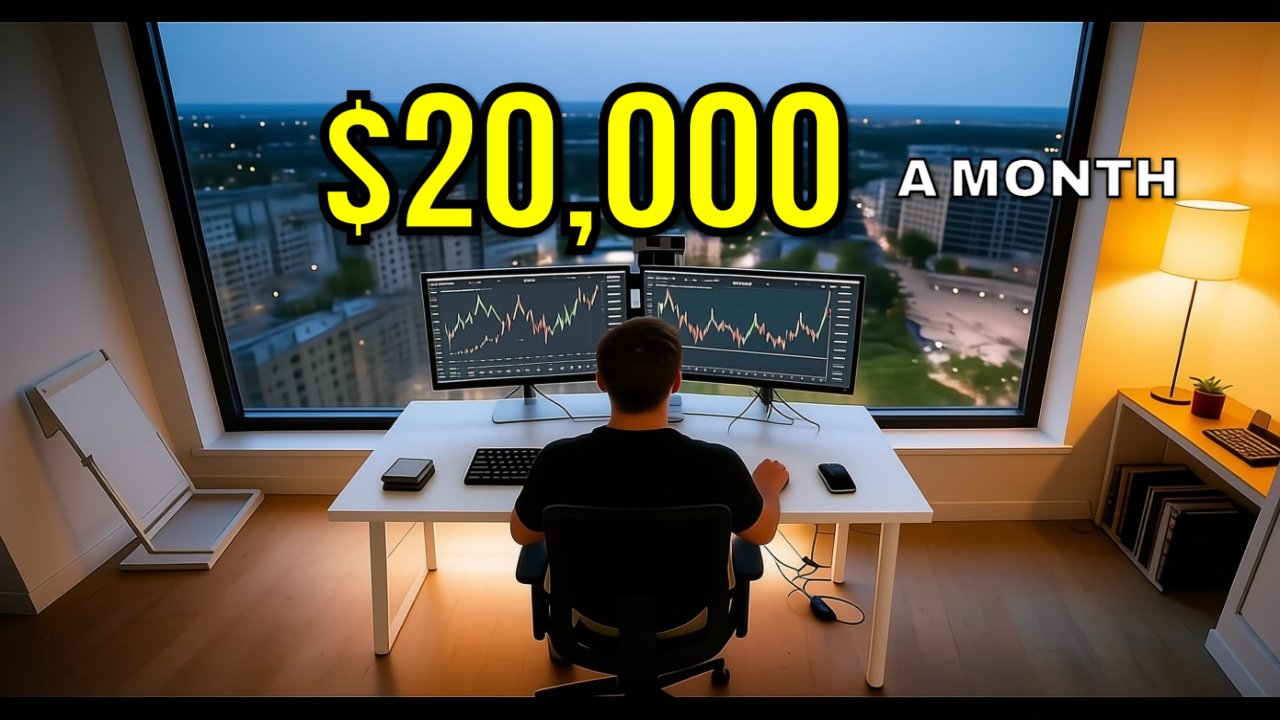
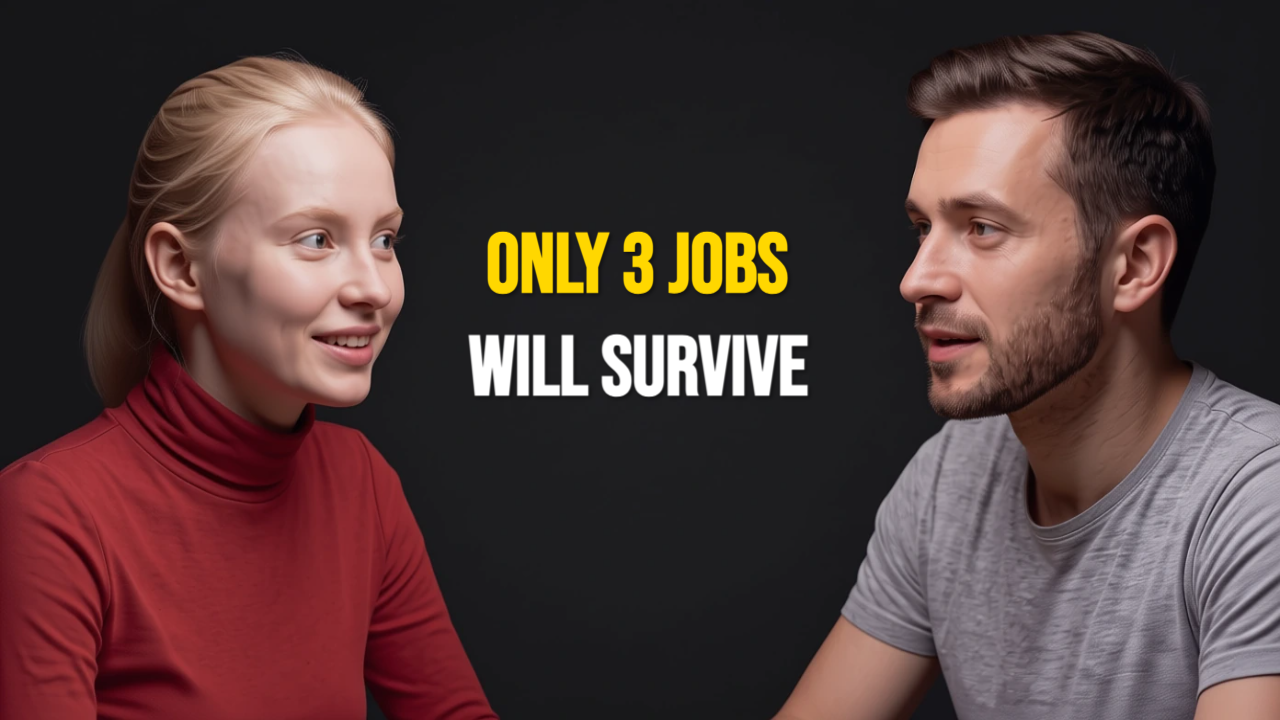
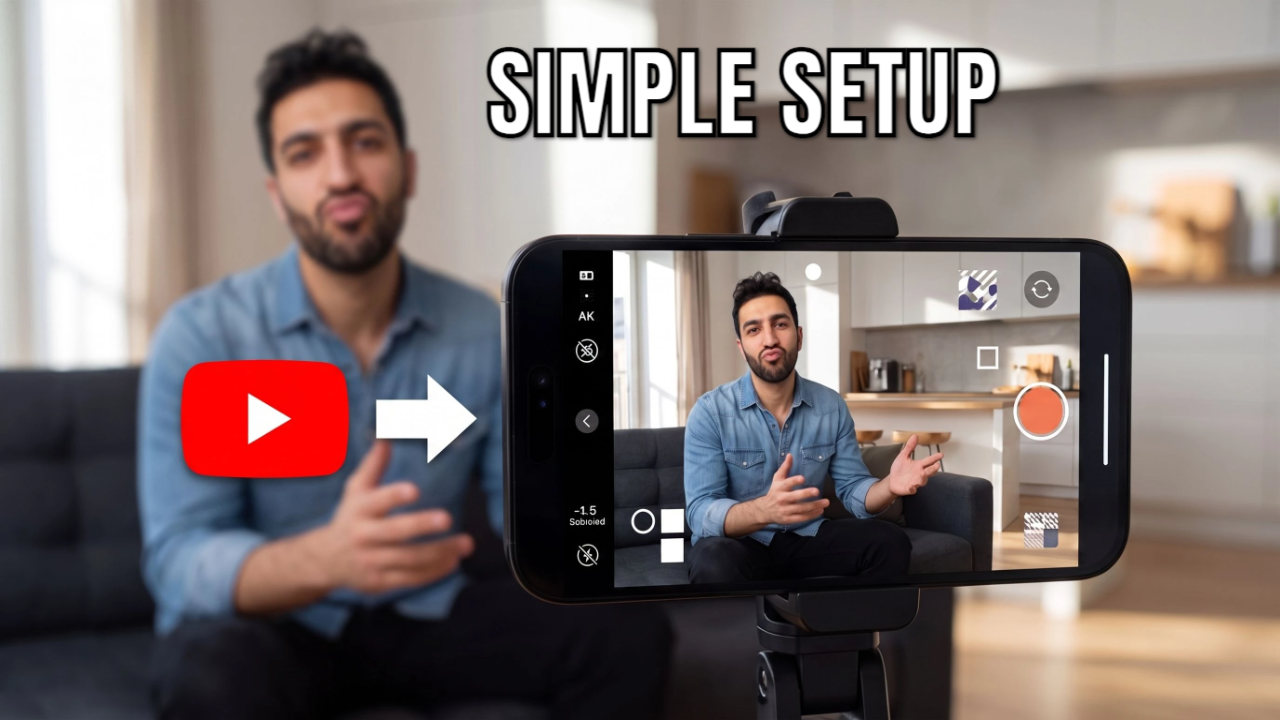
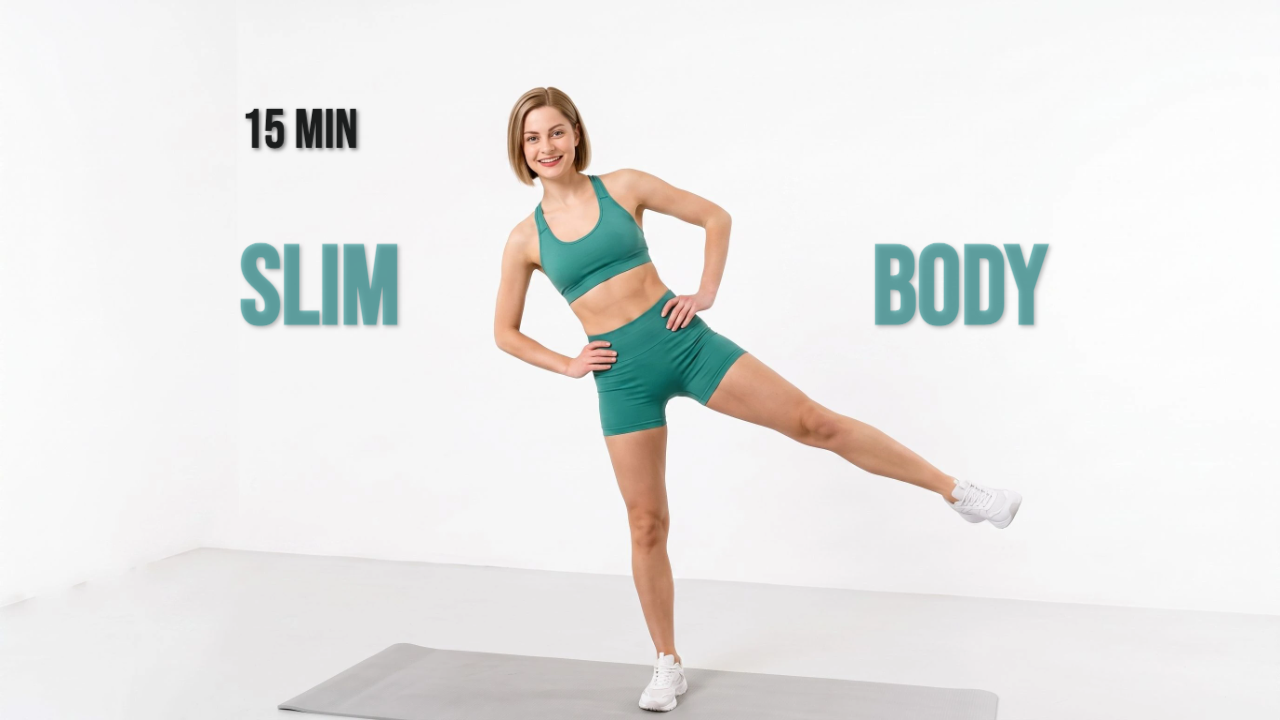
AI-generated thumbnail

The full thumbnail loop, in one place.

Three steps on one account, and the handoff between them is a button rather than a download and a re-upload.

1

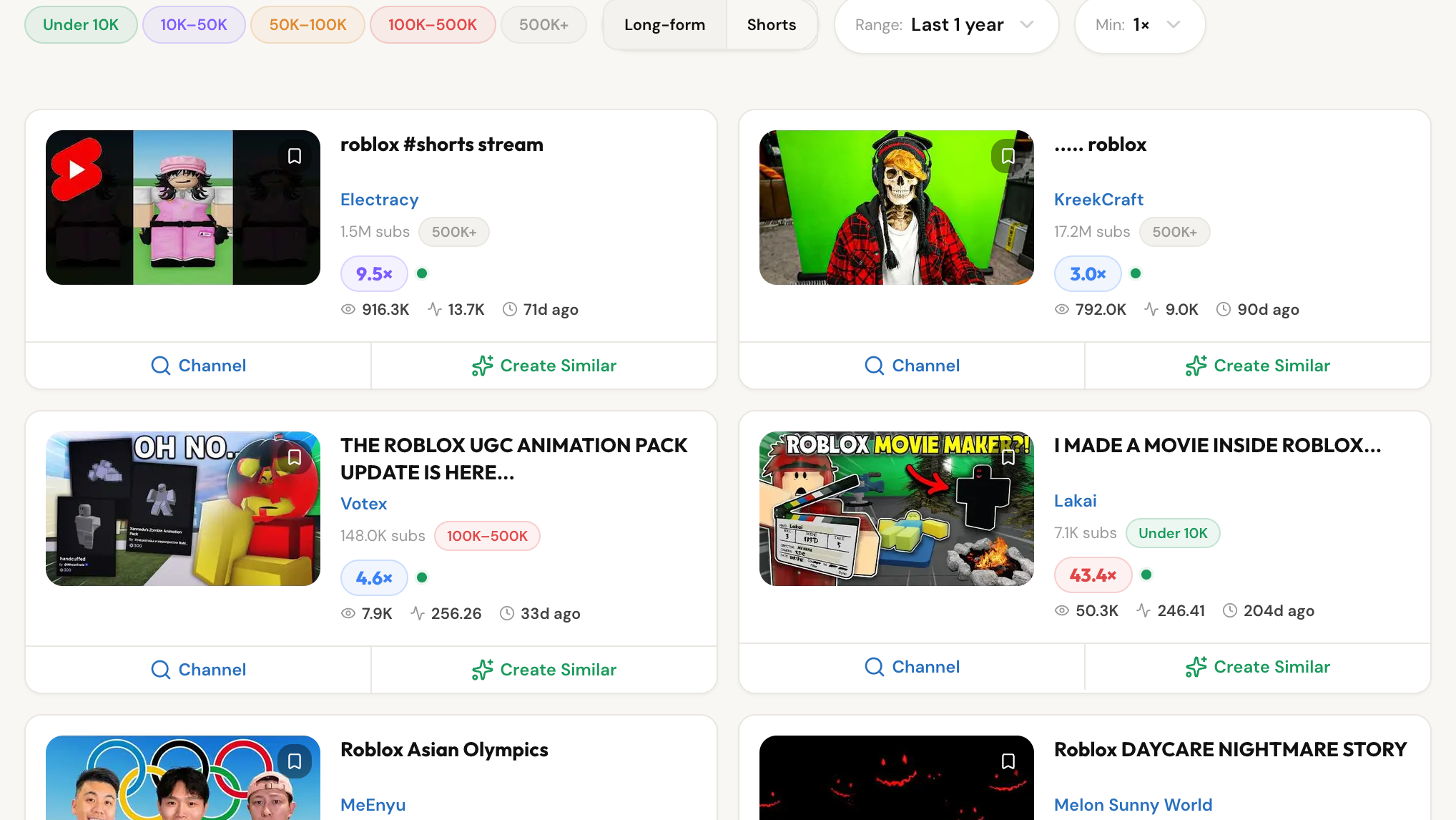
See what's winning in your niche.

Search any topic. Vwrap surfaces outliers: videos whose views beat their own channel's trimmed-median baseline for the same format and the same age bucket. Every card carries the multiplier, the views, and a confidence label drawn from how many videos stood behind that baseline.

See how outlier research works
See what's winning in your niche.
2

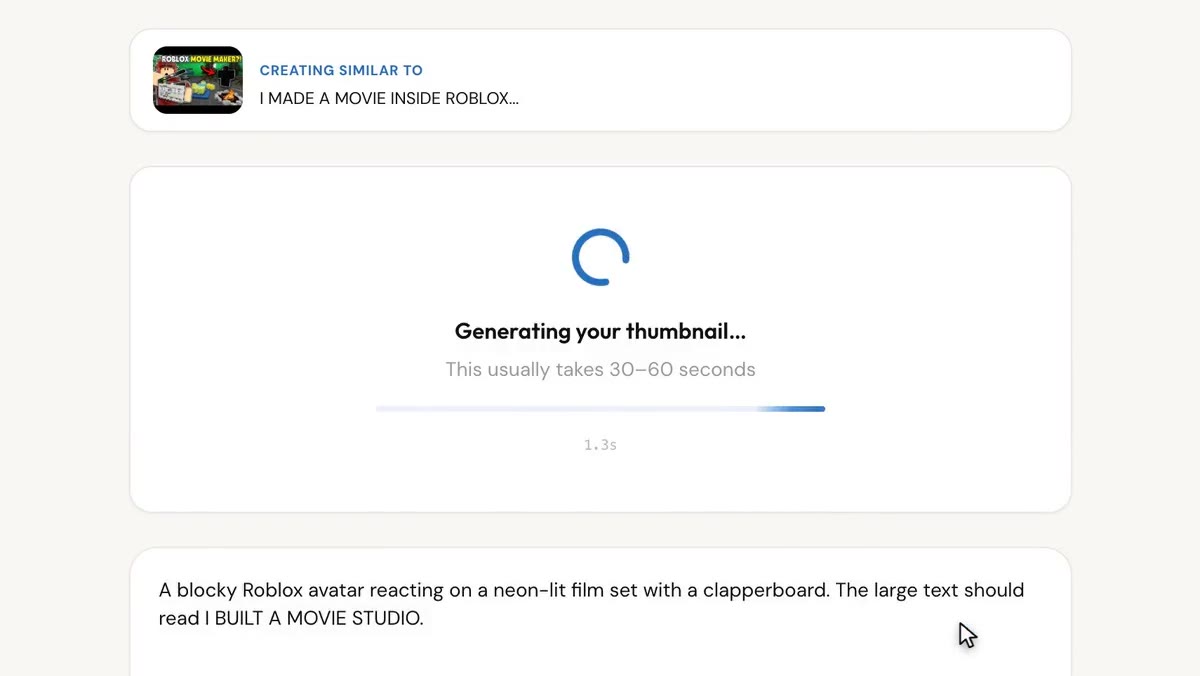
Turn winning patterns into your thumbnail.

Hit Create Similar on any outlier and it arrives as your reference. Add a template, the layout archetype we mined from that niche's winning thumbnails, and Vwrap locks its composition and text treatment while your subject and scene stay yours.

See how generation works
Turn winning patterns into your thumbnail.
3

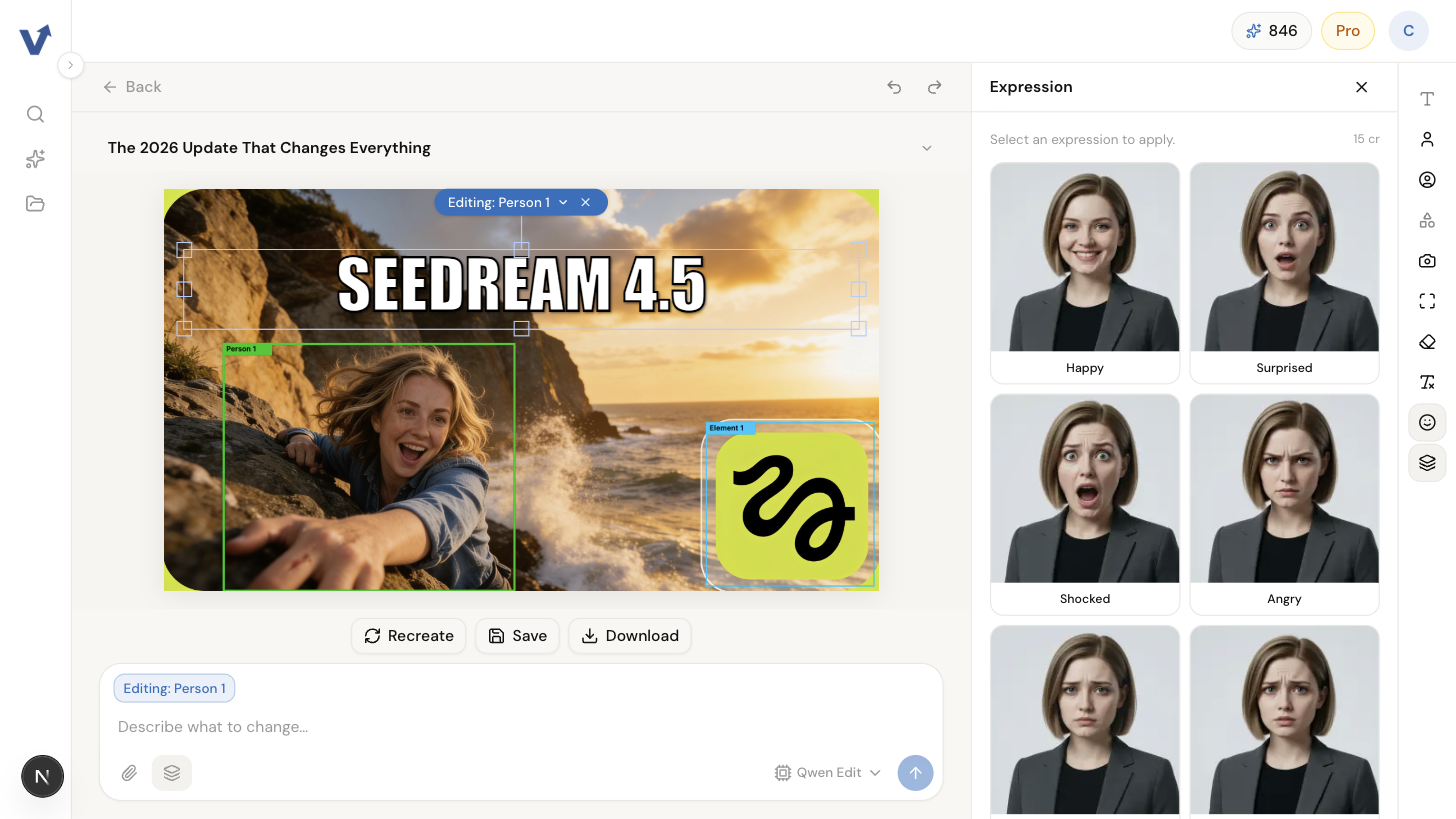
Name the layer. Change that one thing.

Vwrap runs detection over the finished image and lists what it found (people, text, elements) so you can point at one instead of describing it. Swap in your own photo, replace an object, change the camera angle. Each tool re-renders the whole frame with your change applied, rather than pasting a patch over the old one.

See the editor
Name the layer. Change that one thing.

Every tool you need to make a winning thumbnail.

From style match to targeted edits, Vwrap covers every step.
Style replication.

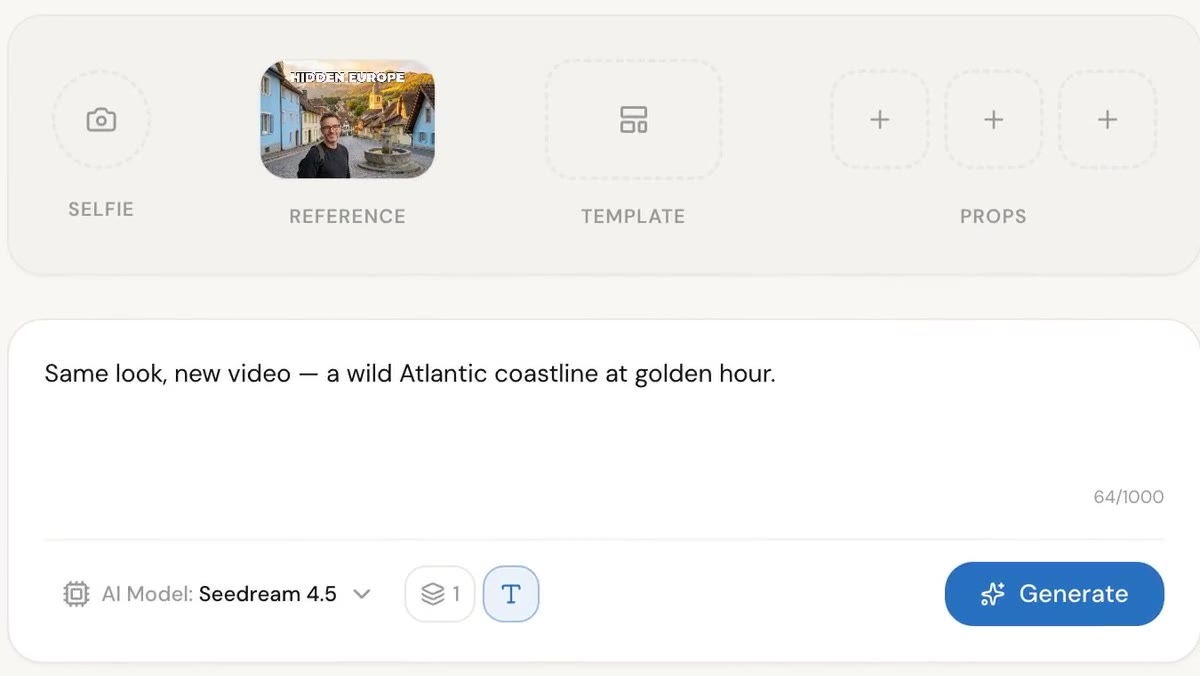
Style replication.

Point at any outlier or thumbnail you like and it goes to the model as a reference image, with an instruction to follow its background, layout, spatial arrangement and visual style.
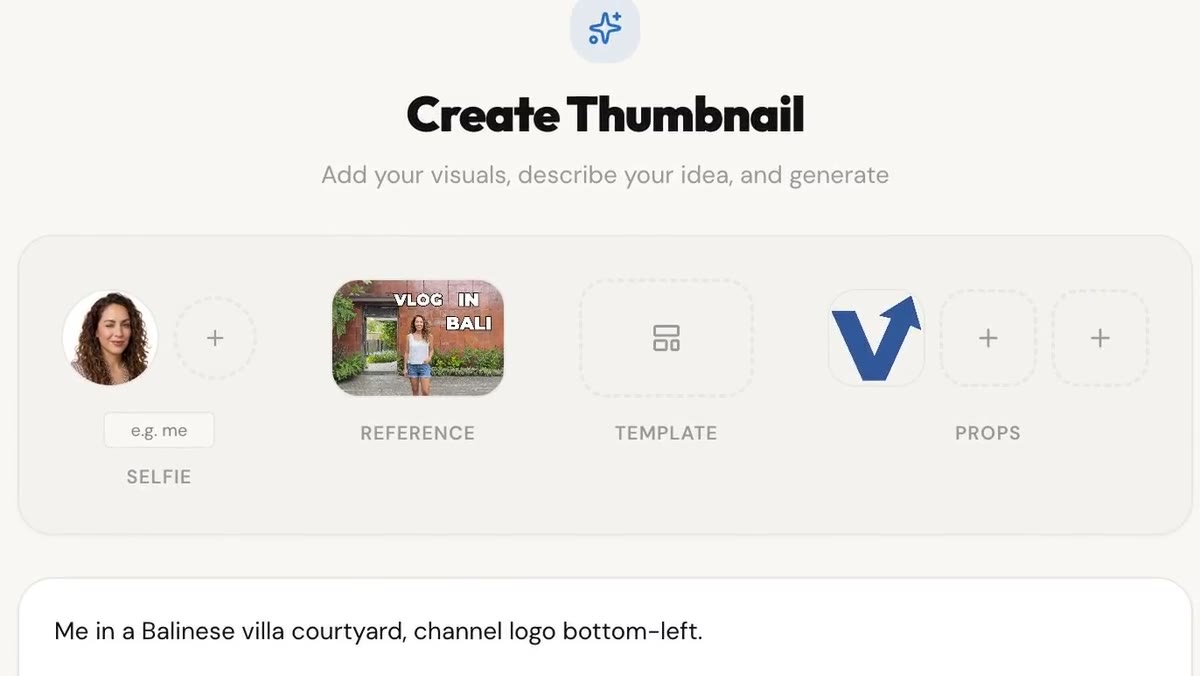
Bring your own visuals.

Bring your own visuals.

Add your own photo, and up to three brand assets or props alongside it. They go into the generation as attached images; the prompt is where you say what each one is doing.
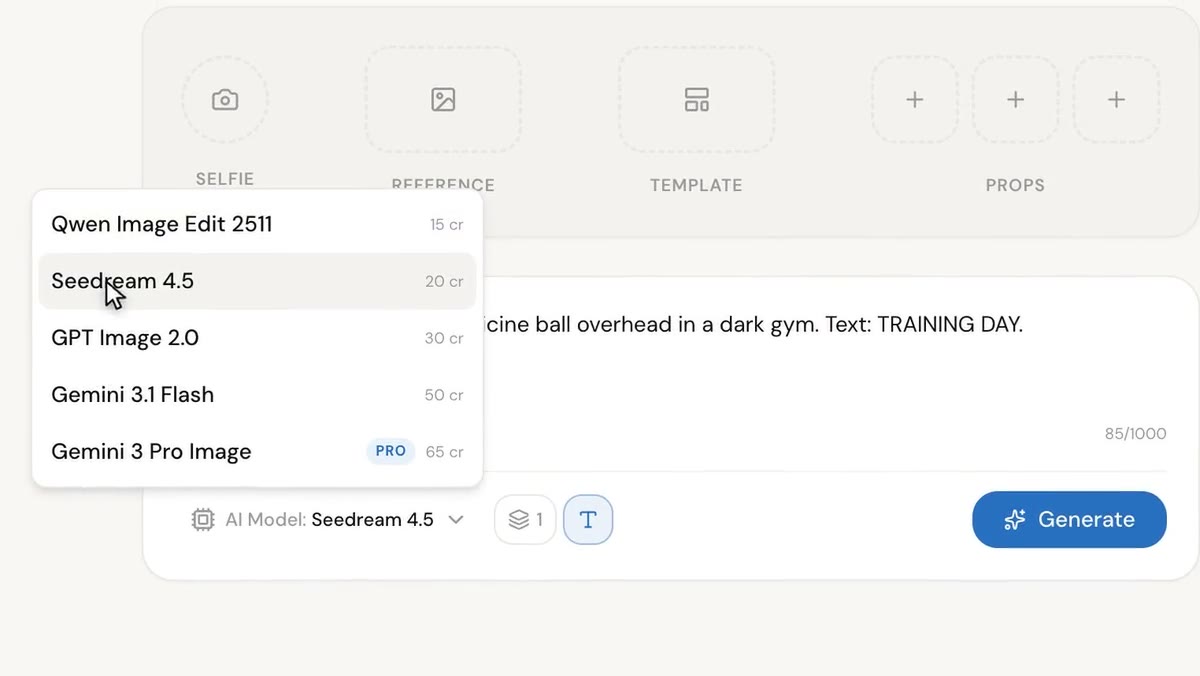
Your pick of models.

Your pick of models.

Describe the thumbnail in plain language, then pick the model: Qwen Edit, Seedream 4.5, GPT Image 2.0, Gemini 3.1 Flash or Gemini 3 Pro Image. Four of the five fail over to a second provider when the first errors or stalls. GPT Image 2.0 has no second provider serving it, so it retries OpenAI.
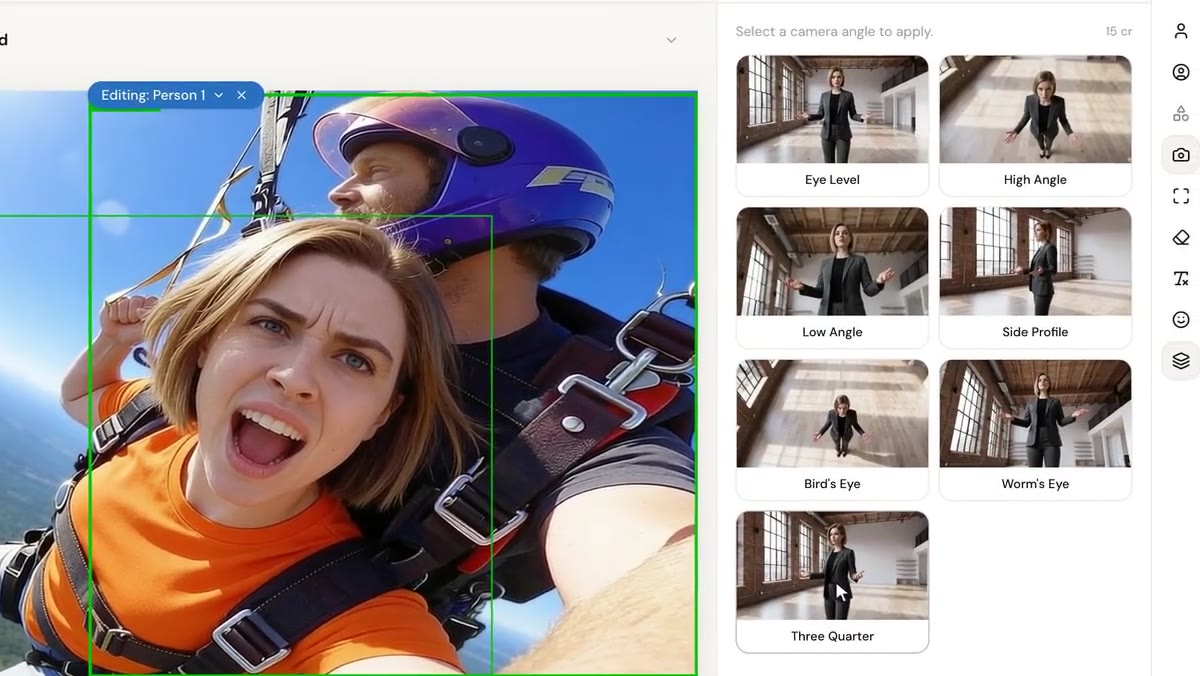
Purpose-built AI tools.

Purpose-built AI tools.

Swap in your own photo, replace an element, change the camera angle or expression, remove an object or text, upscale, or restyle the text overlay. You name the layer to change and the model returns a new frame with that change made.

Simple credits-based pricing.

Cancel anytime. Every new account starts on the 7-day Pro trial, no card required.

Free

$0/mo
7-day Pro trial included
  • 125 credits per month
  • Up to 1 generation at a time
  • Try every Pro feature for 7 days

Starter

$20/mo
2,500 credits / month
  • 2,500 credits per month
  • Up to 4 generations at once
  • All standard models
  • Full editor toolkit (replace person, replace element, camera angle, expression, prompt edits)
★ Recommended

Pro

$40/mo
5,500 credits / month
  • 5,500 credits per month
  • Up to 4 generations at once
  • Full editor toolkit (replace person, replace element, camera angle, expression, prompt edits)
  • Template library

Studio

$100/mo
15,000 credits / month
  • 15,000 credits per month
  • Up to 4 generations at once
  • All standard models
  • Full editor toolkit (replace person, replace element, camera angle, expression, prompt edits)

What a credit actually buys

Credits pay for generating and editing. Searching costs nothing on any plan.

One generated image costs 15 to 65 credits depending on which model you pick: Qwen Edit 15, Seedream 4.5 20, GPT Image 2.0 30, Gemini 3.1 Flash 50, Gemini 3 Pro Image 65. A run produces 1 to 4 images and bills for every one, so four images on Gemini 3.1 Flash is 200 credits. Edits are flat rate: replacing a person or an element, changing a camera angle or an expression, and removing an object are 15 credits each, and upscaling is 10.

At the create page's defaults, which are Seedream 4.5 at one image per run, a finished thumbnail comes to about 55 credits: two generation attempts at 20 each, plus one 15-credit edit. On that basis, and on that basis only:

  • Free: 125 credits a month, about 2 finished thumbnails.
  • Starter: 2,500 credits a month, about 45 finished thumbnails.
  • Pro: 5,500 credits a month, about 100 finished thumbnails.
  • Studio: 15,000 credits a month, about 272 finished thumbnails.

Change the model and that arithmetic changes with it. The same two-attempts-plus-one-edit recipe costs 45 credits on Qwen Edit and 145 on Gemini 3 Pro Image. Starter's 2,500 covers 55 finished thumbnails at the cheap end and 17 at the dear end. Asking for four images per attempt instead of one multiplies the generation half by four.

Top-up packs are open to everyone, subscriber or not: $5 for 500, $10 for 1,100, $25 for 2,800 credits, and they expire 12 months after purchase. Holding unspent top-up credits lifts a free account to Starter-equivalent access until they run out, with Gemini 3 Pro Image still reserved for Pro and Studio.

After the 7-day trial, a free account gets 2 niche searches a day, the top 4 results of each, and up to 2 images per generation. Paid plans raise the daily search cap to 10 on Starter, 30 on Pro and 60 on Studio, and lift the result gate and the image cap. Every plan has a daily cap; upgrading raises it rather than removing it.

Questions, answered.

What is Vwrap, exactly?
Three tools that usually live in three different products, joined into one flow: outlier research, thumbnail generation, and a layer-aware editor. The handoff is the point. Press Create Similar on any outlier and the create page opens with that video's thumbnail already attached as your reference image and its title carried along with the job, so nothing gets retyped. You choose the video; the generator does not read our outlier data on your behalf.
How is this different from a general AI image generator?
A general generator starts from a blank prompt. Vwrap starts from a thumbnail you picked out of your own niche, plus whatever else you attach: a template pattern mined from that niche's winning thumbnails, your own photo, and up to three product images. Then you keep working on the result instead of rerolling it. Replace a person or an element, change a camera angle or an expression, remove an object.
How do credits work, and what does one thumbnail actually cost?
Credits pay for generating and editing. Searching costs nothing. One generated image is 15 to 65 credits depending on the model, and a run makes 1 to 4 images and bills for each. Edits are flat: replace a person or element, change a camera angle or expression, or remove an object, 15 credits each, and upscale is 10. At the create page's defaults, which are Seedream 4.5 at one image per run, a finished thumbnail works out around 55 credits: two attempts at 20 plus one 15-credit edit. Pick a dearer model or ask for four images at a time and that number climbs fast. The full arithmetic is on the pricing section above.
If I don't like what it generates, do I lose the credits?
If a run fails on a provider timeout, a rate limit, a provider outage, a storage error or a bug on our side, the credits go back to your balance automatically. A run the provider rejects outright, or one that fails our own input validation, is charged. And if it finishes but you simply don't like the result, the credits are spent, the same as with any AI tool.
What's in the free plan and the trial?
New accounts open on a 7-day Pro trial worth 500 credits, with the premium model, the whole editor and 4 images per generation unlocked. No card required. The trial ends after 7 days or when your balance reaches zero, whichever comes first, and unused trial credits expire with it. The free plan starts from there and grants 125 credits a month, renewed monthly, for as long as you want it, with limits: 2 niche searches a day, the top 4 results of each search, and up to 2 images per generation. Paid plans raise the daily search cap to 10 on Starter, 30 on Pro and 60 on Studio, and lift the result gate and the image cap. There is a daily cap on every plan; upgrading raises it rather than removing it.
What happens to unused credits?
It depends on the plan. Starter credits reset each month. Pro rolls over up to 1.5× your monthly allowance, and Studio rolls over everything unused. Top-up credits sit in a separate pool and expire 12 months after purchase. A job draws on that pool when the pool covers the whole job on its own, and on your monthly grant when it doesn't, since a single job is never split across the two.
What models does Vwrap use?
Five, and you pick one per generation: Qwen Edit at 15 credits an image, Seedream 4.5 at 20, GPT Image 2.0 at 30, Gemini 3.1 Flash at 50, and Gemini 3 Pro Image at 65. Gemini 3 Pro Image is the one premium model, available on Pro and Studio and during the 7-day trial; the other four are on every plan. Four of the five fail over to a second provider if the first one errors or stalls. GPT Image 2.0 has no second provider serving it, so it retries OpenAI instead. We add models to the registry as they ship.
How are outliers calculated?
We compare a video against its own channel, not against YouTube at large. The baseline is the trimmed median of that channel's videos in the same format, long-form or Shorts and never mixed, and the same age bucket. The multiplier is the video's views divided by that baseline, so a 10× on a small channel is a real 10×. Every result carries a confidence label drawn from how many videos stood behind the baseline: under 10 is LOW, 10 to 29 MEDIUM, 30 or more HIGH. Our precomputed rankings hold videos at 1.5× and above, but search also merges semantic and full-text lists that aren't limited to that table, so lower multipliers do turn up. Raise the Min filter when you only want the strong ones.
Can I use the thumbnails commercially?
Yes. Thumbnails you generate are yours to publish and monetize. Ordinary care applies: don't use a real person's likeness without their permission, and don't recreate someone else's copyrighted artwork.
Can I cancel anytime?
Yes, and there's no cancellation fee. Cancelling takes effect at the end of the billing cycle you've already paid for, and your credits stay usable until then. Refunds depend on how much of the cycle's credits you've spent. See the refund policy for the tiers.
Do you train AI on my uploads?
No. Vwrap does not train any model on your selfies or uploaded images. Saving a selfie to your library is opt-in, and a photo attached to a one-off generation is deleted once the job finishes. Uploads do pass through an automated safety check, and through whichever image model you picked for that run. Details in the privacy policy.

Stop guessing what to make.

A 7-day Pro trial with 500 credits. No card needed. Start free.